Exploring Different Types of Paints and Their Uses
In the vibrant world of art, the type of paint you choose can significantly influence your creative expression. As we look ahead to the upcoming year, innovations in painting tools and materials are set to transform the way artists and hobbyists approach their craft. Understanding the various types of paints available is essential for anyone looking to enhance their artistic skills and explore new techniques. This article delves into the different types of paints and their unique applications, providing insights that can help you make informed choices for your next project.
Acrylic Paints
Acrylic paints are a favorite among artists for their versatility and quick-drying properties. These water-based paints can be used on a variety of surfaces, including canvas, wood, and even fabric, making them ideal for mixed media projects. The vibrant colors and ability to blend easily allow for a wide range of techniques, from glazing to impasto. As we move into the next year, expect to see even more innovative formulations that enhance the texture and finish of acrylics, providing artists with new ways to express their creativity.
One of the emerging trends in acrylic paints is the rise of eco-friendly options. With a growing emphasis on sustainability, manufacturers are developing paints that use natural pigments and non-toxic binders. This shift not only caters to environmentally conscious artists but also opens up new avenues for experimentation with organic materials. As these eco-friendly acrylics gain popularity, they will likely influence the broader market, prompting more brands to adopt sustainable practices.
Oil Paints
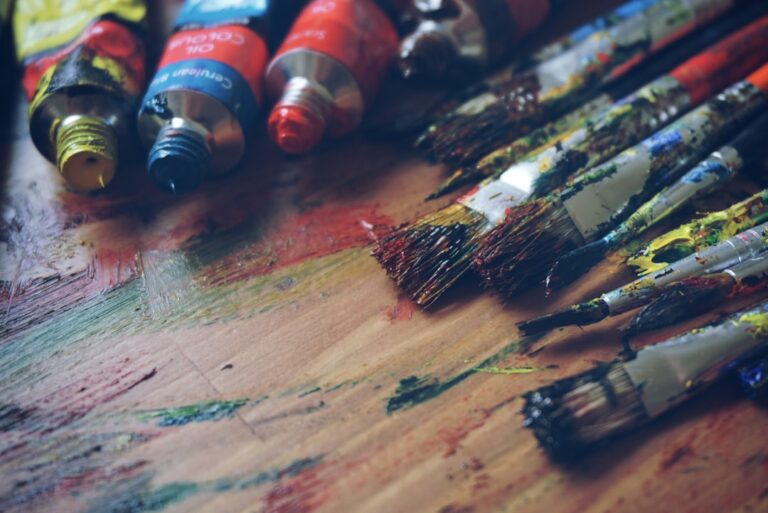
Oil paints have long been revered for their rich texture and depth of color. Unlike acrylics, oil paints dry slowly, allowing artists to work with them for extended periods, making them perfect for detailed and layered techniques. The ability to create subtle gradations and glazes is unmatched, which is why many traditional artists continue to favor oils. As we look to the future, advancements in drying agents and mediums are expected to enhance the usability of oil paints, making them more accessible to contemporary artists.
Another trend to watch is the increasing popularity of water-miscible oil paints. These innovative formulations allow artists to clean their brushes with water instead of solvents, making the painting process more convenient and less hazardous. This shift not only appeals to health-conscious artists but also encourages newcomers to explore oil painting without the intimidation of traditional methods. As these paints become more mainstream, they will likely reshape perceptions of oil painting in the art community.
Watercolor Paints
Watercolor paints are celebrated for their transparency and fluidity, offering a unique approach to color application. Artists often appreciate the spontaneity that comes with watercolors, as the medium allows for beautiful washes and delicate details. The upcoming year is poised to bring exciting innovations in watercolor technology, including new formulations that enhance color vibrancy and improve rewetting properties. These advancements will empower artists to achieve greater control and versatility in their watercolor techniques.
Additionally, the trend of portable watercolor sets is on the rise, catering to artists who enjoy painting on the go. Compact and convenient, these sets often include a variety of colors and brushes, making them perfect for plein air painting. As more artists embrace outdoor painting experiences, expect to see an increase in demand for high-quality, travel-friendly watercolor supplies that inspire creativity wherever inspiration strikes.
Specialty Paints
In recent years, specialty paints have gained traction, offering unique finishes and effects that traditional paints cannot achieve. From metallics to glow-in-the-dark options, these paints allow artists to push the boundaries of their creativity. As we enter the next year, the market for specialty paints is expected to expand, with new products that cater to niche artistic needs. This trend will encourage artists to experiment with unconventional materials and techniques, leading to innovative outcomes.
Furthermore, the rise of DIY culture has fueled interest in specialty paints for home decor projects. Consumers are increasingly seeking out paints that can transform everyday objects into stunning works of art. As more people engage in creative home improvement projects, the demand for specialty paints that offer unique textures and finishes will continue to grow, influencing the overall landscape of the painting tools market.
Conclusion
As we explore the diverse world of paints, it becomes clear that each type offers unique advantages and opportunities for artistic expression. With the anticipated innovations and emerging trends in the coming year, artists will have even more tools at their disposal to create stunning works of art. Whether you are a seasoned professional or a budding enthusiast, understanding the different types of paints and their uses will empower you to make informed choices and elevate your creative journey.
In conclusion, the future of painting tools and materials is bright, with exciting developments on the horizon. By staying informed about the latest trends and innovations, artists can embrace new possibilities and continue to push the boundaries of their craft. As we look forward to the upcoming year, let your creativity flourish with the right paints and tools that inspire you to create your best work yet.