Top Tips for Maintaining Your Painting Supplies
As an avid painter, I often found myself frustrated with my painting supplies. I would invest in high-quality brushes and vibrant paints, only to see them deteriorate after a few uses. It wasn’t until I met Sarah, a fellow artist, that I learned the importance of maintaining my painting tools. Sarah shared her secrets on how to keep supplies in top condition, and I was amazed at the difference it made in my artwork.
Understanding Your Tools
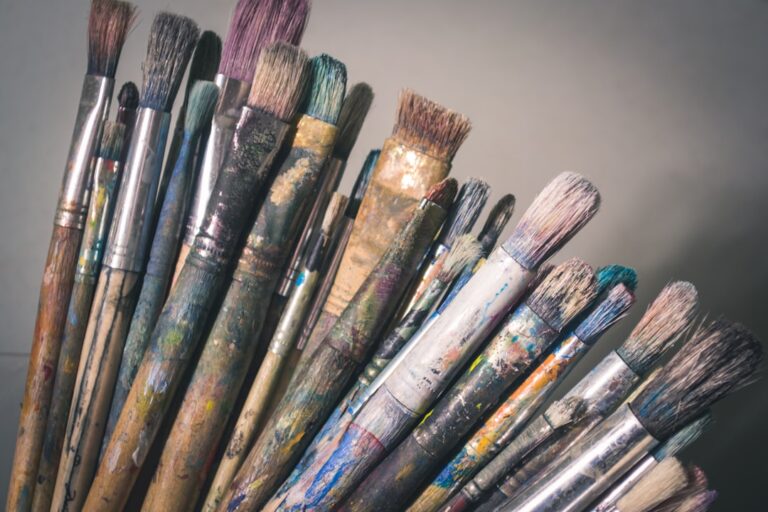
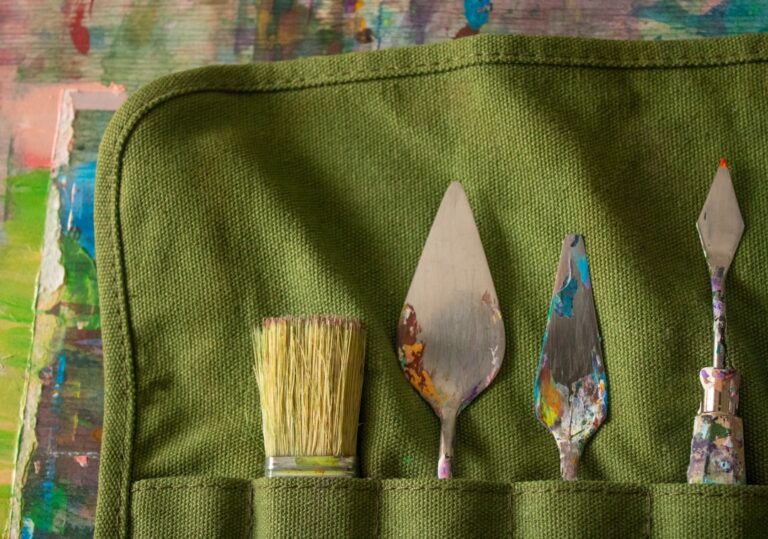
Before diving into maintenance, it’s crucial to understand the different types of painting tools you use. Brushes, for instance, come in various shapes and materials, each requiring specific care. Natural bristle brushes need gentle cleaning with soap and water, while synthetic brushes can often withstand harsher treatments. Knowing the composition of your tools will guide you in choosing the right cleaning methods, ensuring they last longer and perform better.
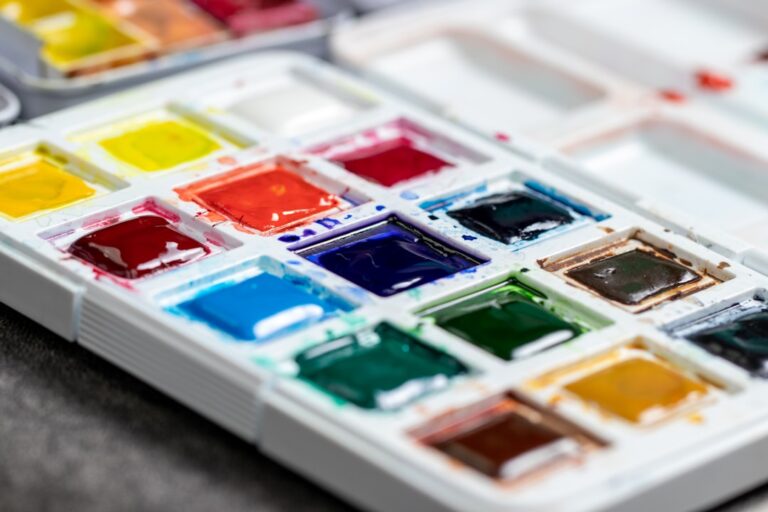
Moreover, paints also have their own requirements. Watercolors, oils, and acrylics each have unique properties that affect how they should be stored and cleaned. For example, acrylic paints can dry quickly and become difficult to remove from brushes if not cleaned immediately. By understanding your tools, you can tailor your maintenance routine to fit their specific needs, ultimately enhancing your painting experience.
Cleaning Your Brushes
One of the most critical aspects of maintaining painting supplies is proper brush cleaning. After each painting session, it’s essential to clean your brushes thoroughly to prevent paint buildup. Start by rinsing the brush under lukewarm water, using your fingers to gently work out the paint. For stubborn paint, a mild soap can be used to break down the residue. Avoid using hot water, as it can damage the bristles and alter their shape.
Once cleaned, reshape the bristles and lay the brushes flat to dry. Hanging them can cause water to seep into the ferrule, leading to rust and bristle loss. Sarah emphasized that taking these extra steps not only prolongs the life of the brushes but also ensures that your next painting session starts with tools that perform at their best.
Storing Your Supplies
Proper storage of painting supplies is just as important as cleaning. Many artists overlook this aspect, leading to damaged tools and wasted materials. For paints, ensure they are stored in a cool, dry place, away from direct sunlight. Exposure to heat can alter the consistency and color of the paint, making it less effective. Additionally, tightly sealing paint containers can prevent them from drying out, saving you money in the long run.
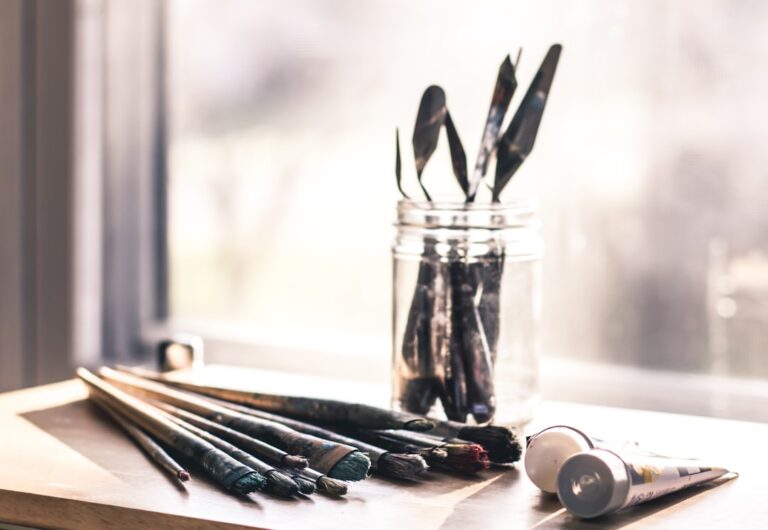
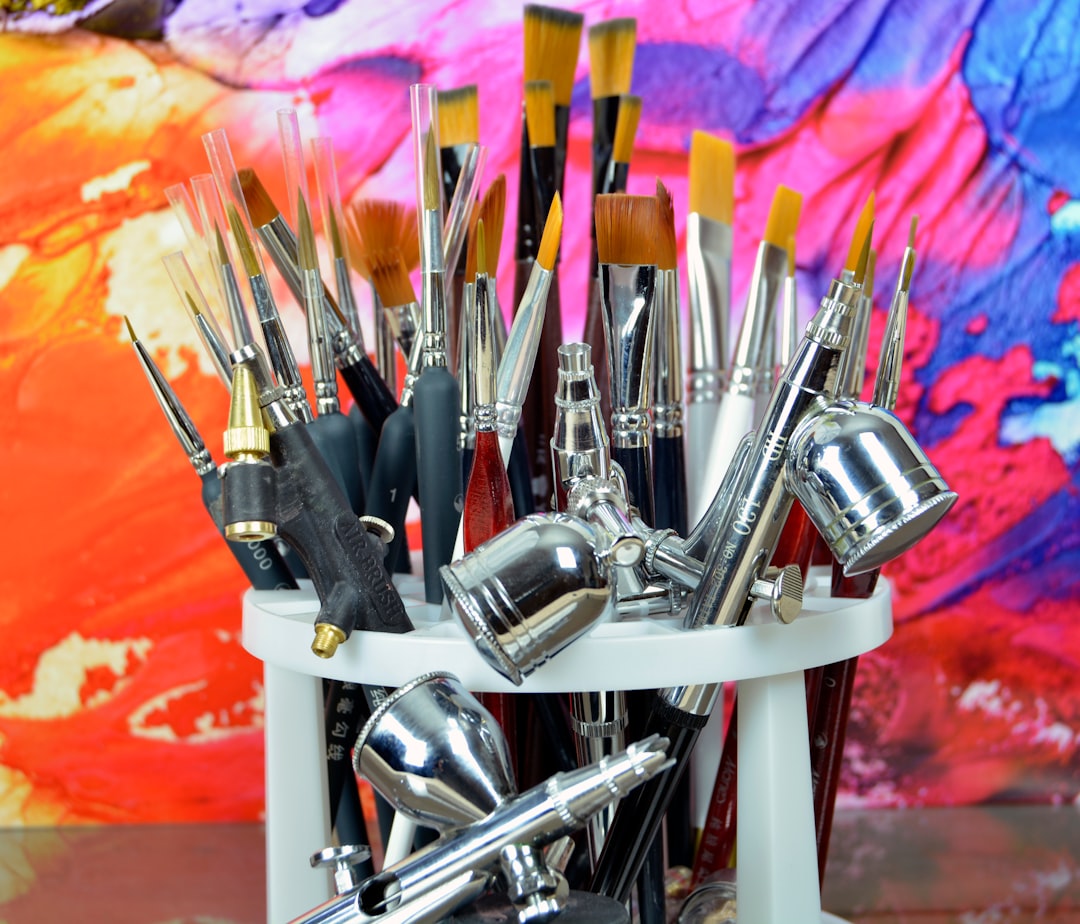
Brushes should be stored upright in a container or flat in a drawer. Avoid storing them in a way that the bristles are crushed or bent, as this can affect their performance. Sarah suggested using a dedicated brush holder to keep them organized and protected. By investing time in proper storage, you can maintain the quality of your supplies and ensure they are always ready for your next masterpiece.
Regular Inspections
Another tip Sarah shared was the importance of regular inspections of your painting supplies. Just like any other tools, brushes and paints can wear out over time. Take a moment to inspect your brushes for frayed bristles or paint buildup that may not have been removed during cleaning. If you notice any issues, it might be time to replace them to maintain the quality of your work.
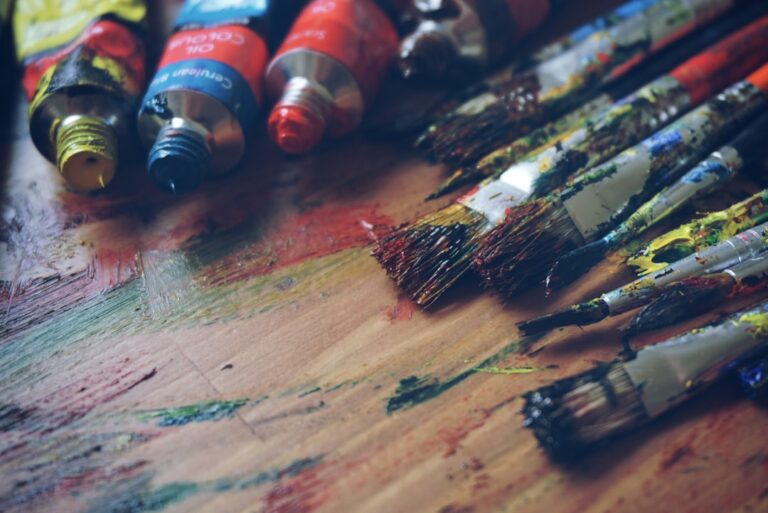
Similarly, check your paints for any signs of separation or drying. If a paint tube feels hard or the paint has separated, it may not perform as expected. Regularly assessing your supplies allows you to catch problems early, ensuring that you are always working with the best materials possible. Lesson learned: taking care of your painting tools is an investment in your art, leading to better results and a more enjoyable creative process.